
Planting Advice
Planting Consultation in Spartanburg, SC for the Right Plant in the Right Place
Get advice on what to plant, where to put it and how to plant it in Upstate clay from our nursery and landscape team. Call (864) 590-4663 to talk it through.
Nursery open nowNursery closed now
Come walk the rows
Monday to Saturday8:00 AM to 5:00 PM
SundayClosed
Expert Guidance
What a Planting Consultation in Spartanburg, SC Includes
A planting consultation in Spartanburg, SC with Sunburst Nursery & Landscape puts over 36 years of nursery and landscape experience behind your plans. Whether you are filling one empty bed or rethinking a whole yard, the goal is the same: plants that suit their spot, placed where they can grow, and planted so they establish quickly. A consultation typically looks at:
- Sun and shade across the day and the seasons
- Drainage, wet spots and soil conditions
- Mature size and spacing for each plant
- Which plants fit your upkeep and budget
- Placement around the house, walks and utilities
- Planting timing and first-year watering
Our master gardener leads the planning side of the business and focuses on low-maintenance plans. Pair the advice with plants from our plant nursery, or have our crews install the plan for you.
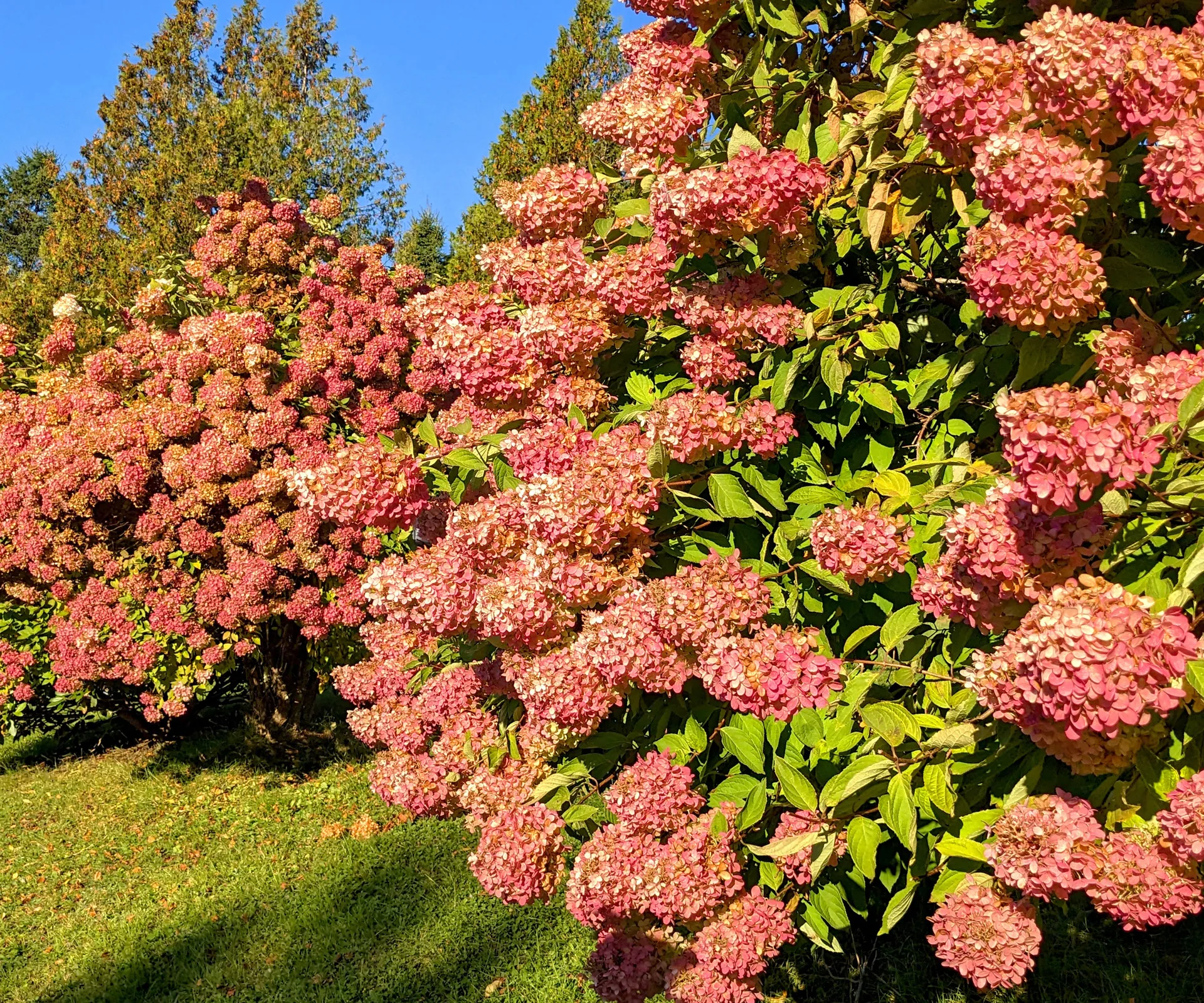
36+years in SC
Plant Selection Help for Sun, Shade and Red Clay
Plant selection help starts with the site, not the plant catalog. Much of the Upstate sits on Cecil soil, the deep red clay of the Piedmont, which holds nutrients well but drains slowly and packs hard when dry. Plants that need loose, fast-draining soil struggle here, while plants that tolerate heavy ground settle in and thrive.
Light is the next filter. A bed that looks sunny in the morning may sit in shade all afternoon, and a spot under tall trees gets less water as well as less light. During a planting consultation in Spartanburg SC, we help you read those conditions and match them to shade trees, evergreens, flowering shrubs and ground covers that fit.
Size is the last piece and the one most often missed. A plant that grows taller than a window or wider than a walk becomes a pruning chore every year. Choosing plants by their mature size, rather than their size at the nursery, is the simplest way to a low-maintenance yard.
What to Plant in Upstate SC and When to Plant It
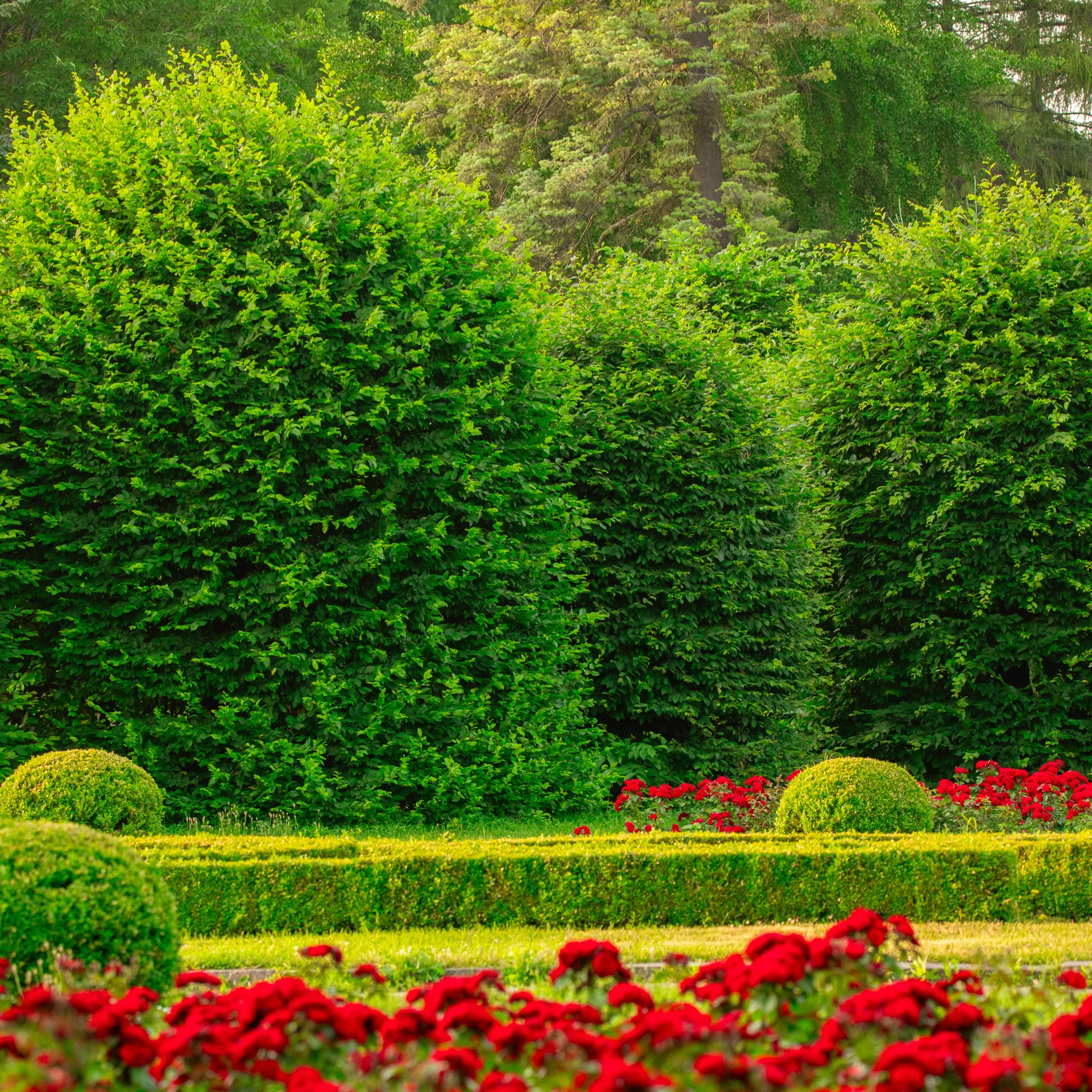
The question of what to plant in Upstate SC comes down to plants that handle humid summers, slow-draining clay and a few hard winter freezes. Shade trees, evergreens, flowering shrubs and ground covers that meet those conditions form the core of our nursery stock, and we can tell you how each one performs locally.
Timing makes a real difference. Clemson Extension names fall as the best season to plant shrubs in South Carolina, because roots keep growing in warm soil while the tops go dormant. The South Carolina Forestry Commission likewise recommends planting trees during dormancy, from leaf drop in fall until new growth in spring, and notes that planting can extend into spring with regular watering.
Spring and summer plantings still succeed with more attention to water during hot, dry spells. We help you plan the order of planting so the most sensitive plants go in during the best window.
Planting Tips
How to Plant a Tree or Shrub, Step by Step
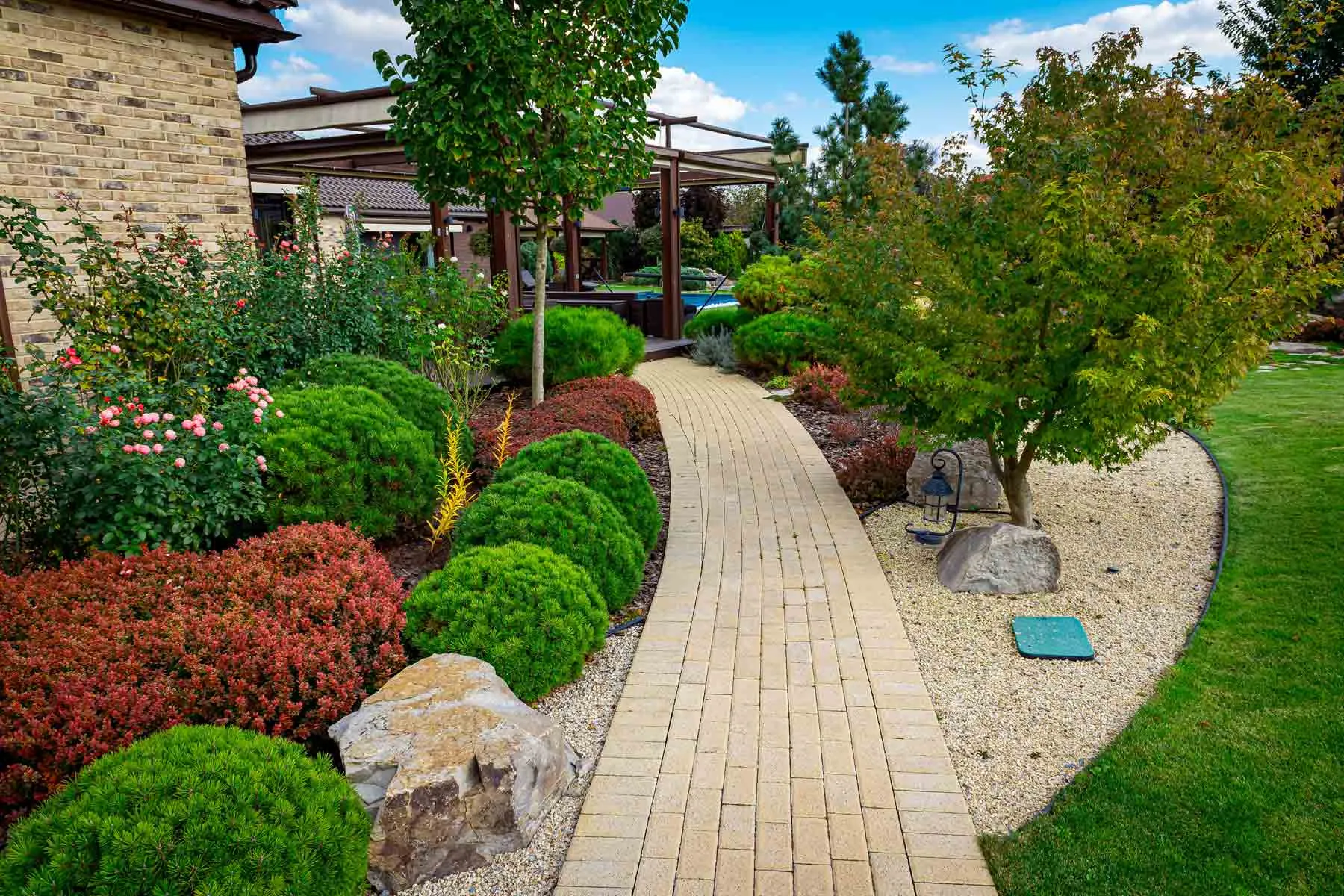
A few planting tips go a long way for anyone taking a tree or shrub home from the nursery. The same method works for most container and balled plants in Upstate clay.
-
Step 1
Dig a Wide, Shallow Hole
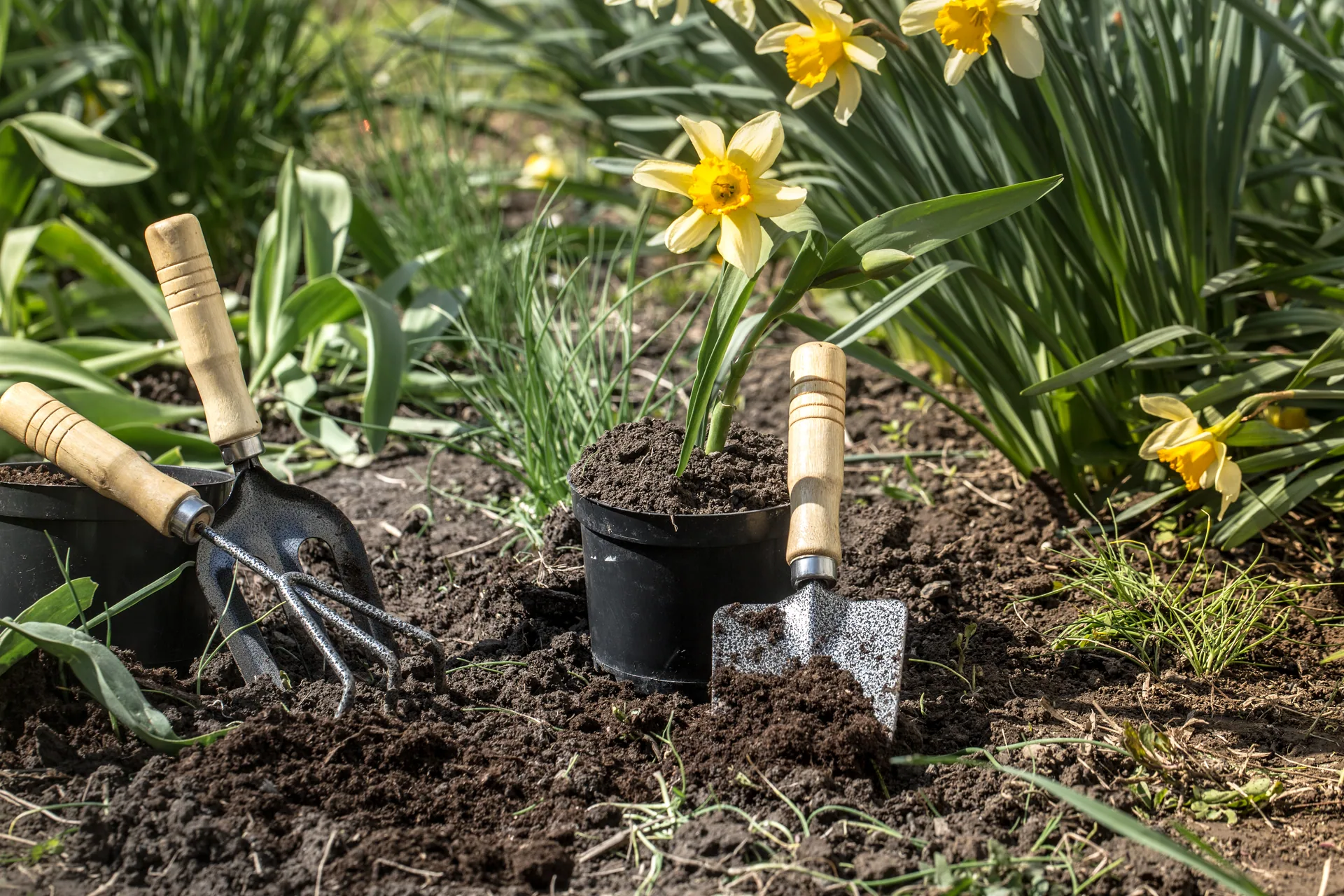
Dig the hole about twice as wide as the root ball and the same depth. Leave the soil at the bottom undisturbed so the plant does not settle too low.
-
Step 2
Prepare the Roots
Loosen roots that circle the pot so they grow outward. For balled plants, remove the wire basket, burlap, straps and twine once the plant is in the hole.
-
Step 3
Backfill With Native Soil
Refill with the original soil you dug out, a layer at a time. Tamp it gently to remove air pockets without packing it hard around the roots.
-
Step 4
Water Deeply and Mulch
Soak the root ball and surrounding soil, then spread mulch around the plant, keeping it a few inches away from the trunk or stems.
Planting Tips for the First Year in the Ground
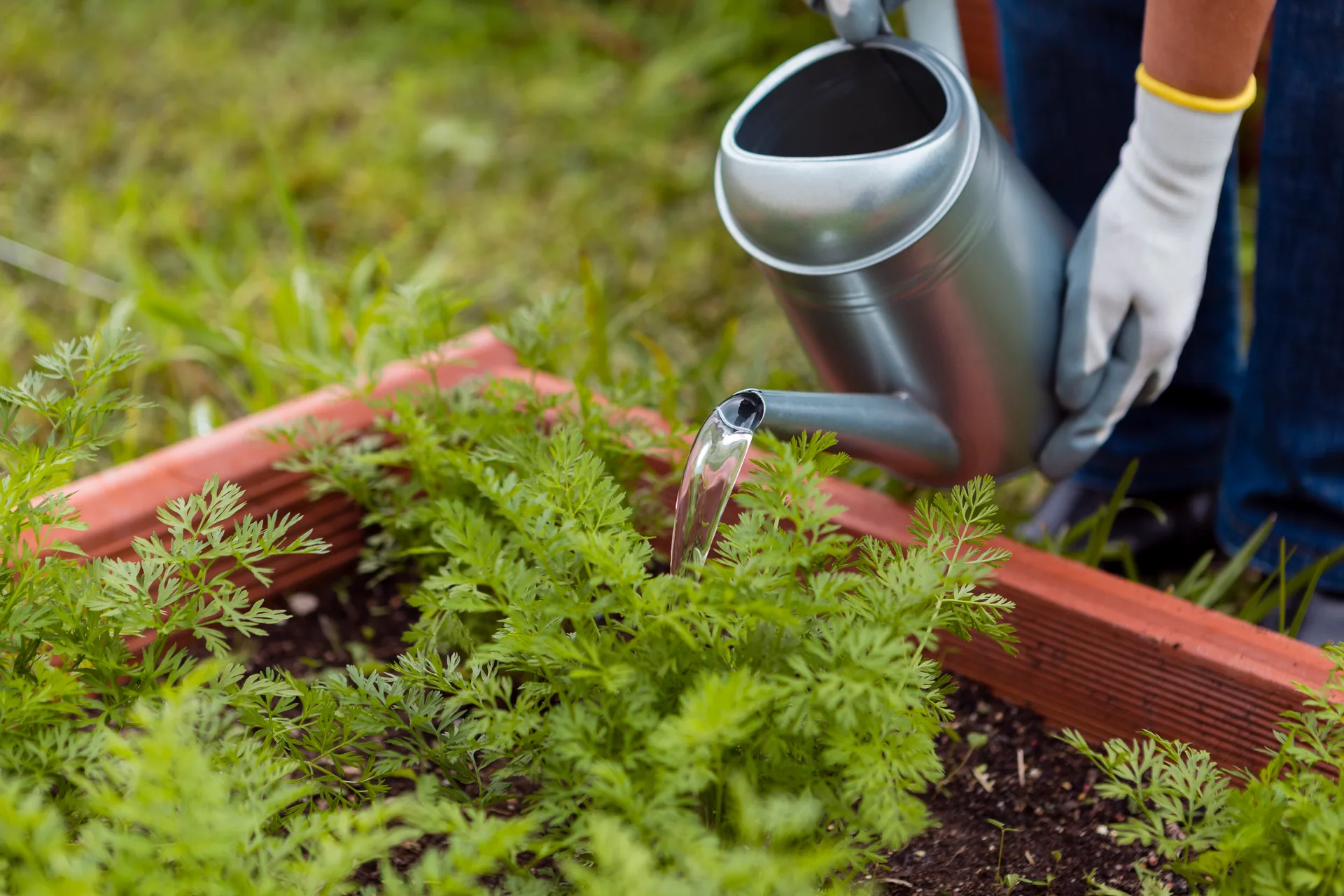
The first year decides whether a new plant thrives. Its roots are still confined to the original root ball, so it depends on you for water until it reaches into the surrounding soil. Water deeply and slowly, aiming at the root ball, rather than giving the whole bed a light sprinkle every day.
Check moisture before you water. Push a finger a couple of inches into the soil beside the root ball: if it is dry, water; if it is still damp, wait. Clay holds water longer than you might expect, and roots sitting in soggy soil can rot as easily as dry roots can wilt. Keep watering through the first year, and pay closest attention during summer heat and dry fall weeks.
Keep a layer of mulch over the root zone to hold moisture and moderate soil temperature, and refresh it as it breaks down. Hold off on heavy fertilizing until the plant shows new growth, since roots need time to settle first.
Why Homeowners Ask Sunburst for Planting Advice
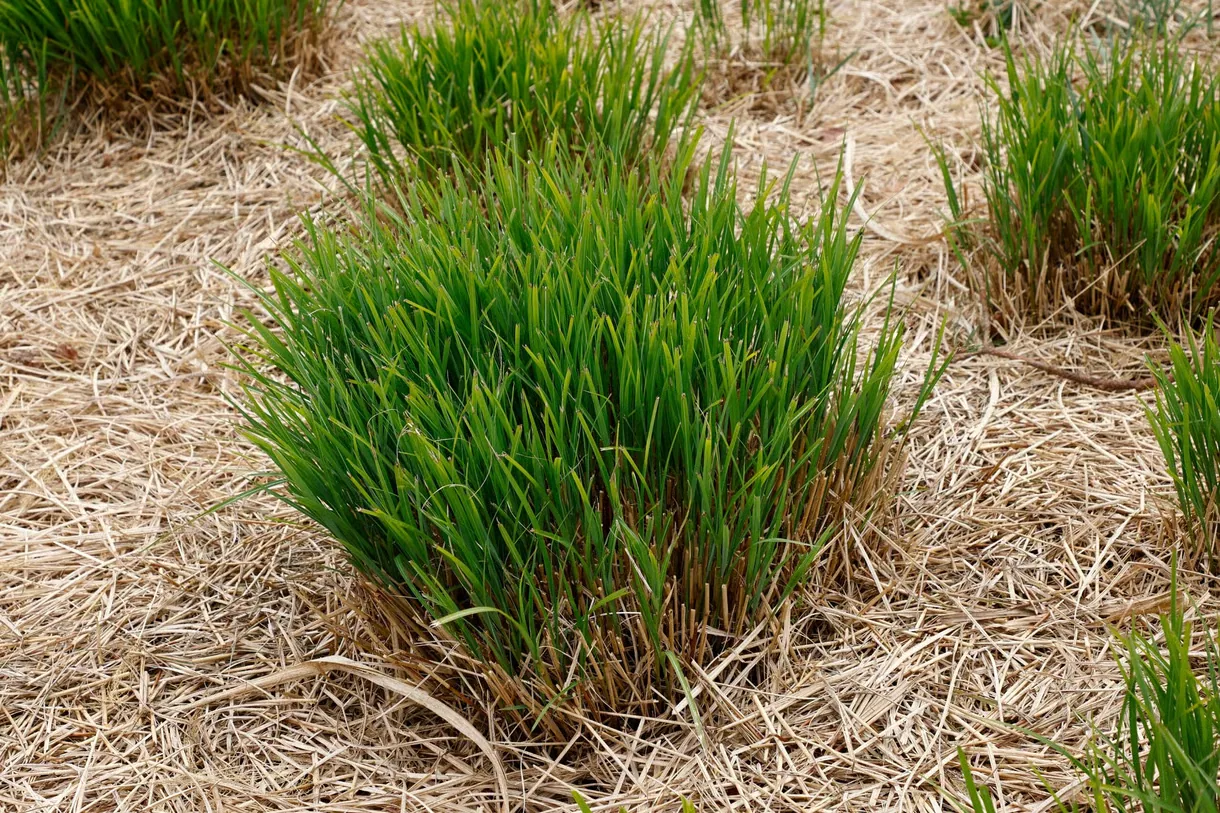
Advice is only as good as the experience behind it. Our team plants trees and shrubs on Upstate landscaping jobs every week, and our nursery stocks plants chosen for local conditions, so our recommendations come from what we see succeed and fail in real yards.
Our master gardener plans with low maintenance in mind: plants that keep their size, beds that drain, and layouts you can keep up with. If you decide you would rather not do the work, our crews can carry out the plan, from tree planting to complete beds, and our landscape design service can plan a full yard around the planting.
A planting consultation in Spartanburg SC with our team gives you practical answers about your own property. You leave with a plan, not a generic plant list.
What Affects the Cost of Planting Help
The cost of planting help depends on how much ground the advice covers. A quick question about one shrub at the nursery counter is very different from walking a whole property and planning several beds, a privacy screen and a row of shade trees. The size of the property, the number of areas involved and whether you want a written plan all shape the scope.
What comes next also matters. A consultation can lead straight into an installation, and the planning then becomes part of that project and its quote. It can also end with a homeowner buying plants and doing the work themselves.
Call us and describe what you are planning. We will explain how the visit and any follow-up work would be priced before anything is scheduled.
Planting Help Around Spartanburg and the Upstate
Our nursery is in Spartanburg, and we help homeowners plan plantings throughout the Upstate. Newer lots in Greer often need screening and foundation beds, wooded properties near Landrum raise questions about shade planting, and homes in Inman and Lyman bring their own mix of sun, slope and clay.
Wherever you live in the region, the same principles hold: match plants to the site, plant at the right depth and water through the first year. What changes from yard to yard is the detail, such as how a slope sheds water, where tall trees cast shade and how much room sits between the house and the property line. A planting consultation in Spartanburg SC or nearby towns works through those details on your own ground, so the plan fits the property rather than a textbook.
Planting Consultation Questions
Anyone unsure what to plant or where to put it benefits from one. Common reasons include a new home with bare beds, an overgrown yard that needs a fresh start, a spot where plants keep dying, or a privacy screen that has to work the first time. Getting the plan right before buying saves the cost of replacing plants that did not suit the site.
A tree or shrub set too deep can suffocate its roots and rot at the base, especially in slow-draining clay. Dig the hole the same depth as the root ball and leave the bottom undisturbed so the plant does not sink. In wet spots, setting the root ball slightly above the surrounding soil helps water drain away from the trunk.
For individual trees and shrubs, backfill with the original soil from the hole. Filling the hole with rich, loose material in clay can create a pocket that collects water and keeps roots from spreading into the surrounding ground. Improving soil works better across a whole bed than in a single hole. We can advise on bed preparation during a consultation.
Water deeply whenever the soil around the root ball starts to dry, which may be several times a week in summer heat and much less in cool, damp weather. Check by feeling the soil a couple of inches down before watering. Keep it up through the whole first year, since the roots have not yet spread far enough to find water on their own.
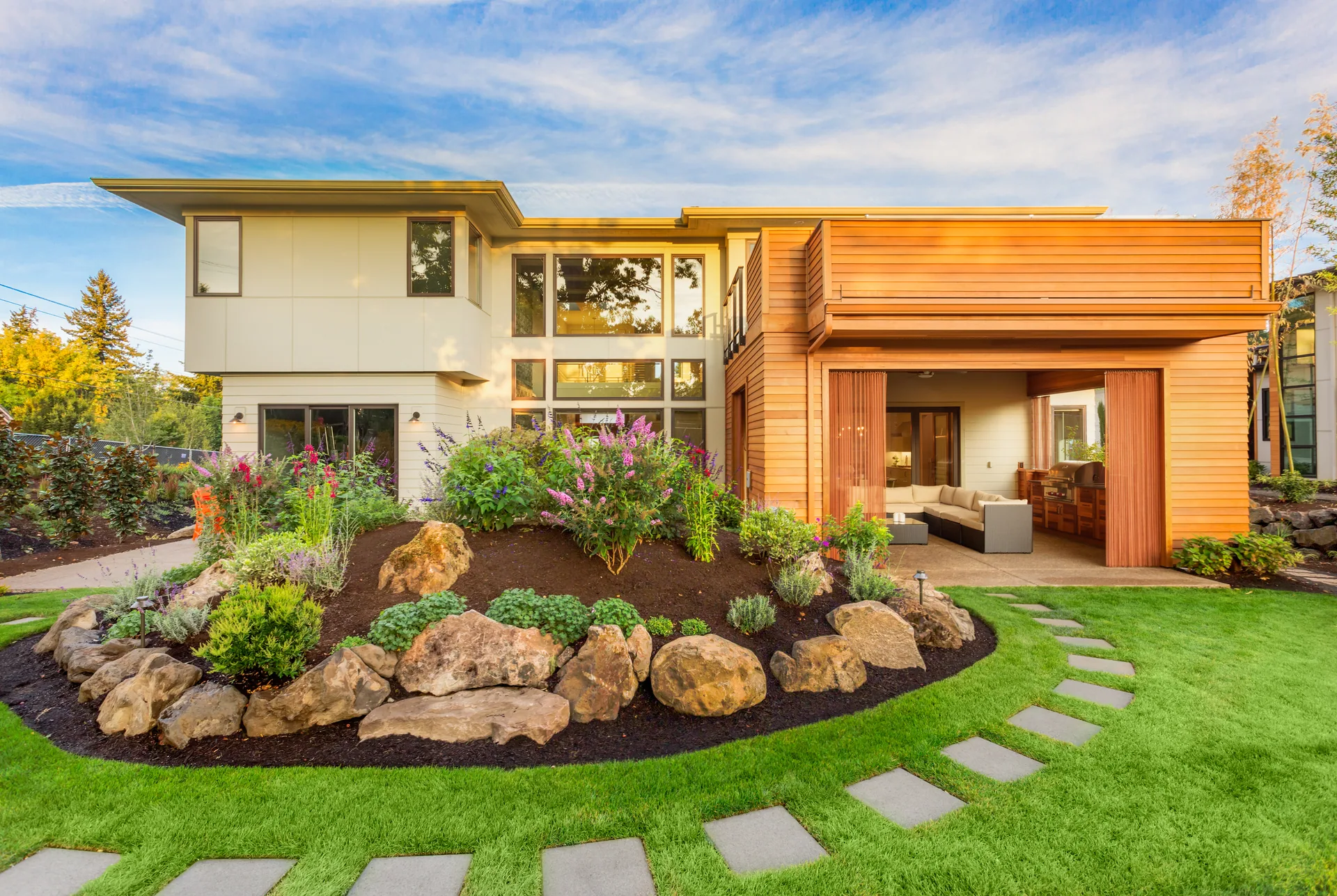
Plan Your Planting
Plant With Confidence This Season
A little planning before you buy saves years of moving, pruning and replacing plants that never fit. Call us to talk through your yard, then visit the nursery Monday to Saturday from 8:00 AM to 5:00 PM to see the plants we recommend.

Nursery and office hours
- Mon to Sat
- 8:00 AM to 5:00 PM
- Sunday
- Closed
- Visit
- 109 Knollwood Drive, Spartanburg, SC 29301