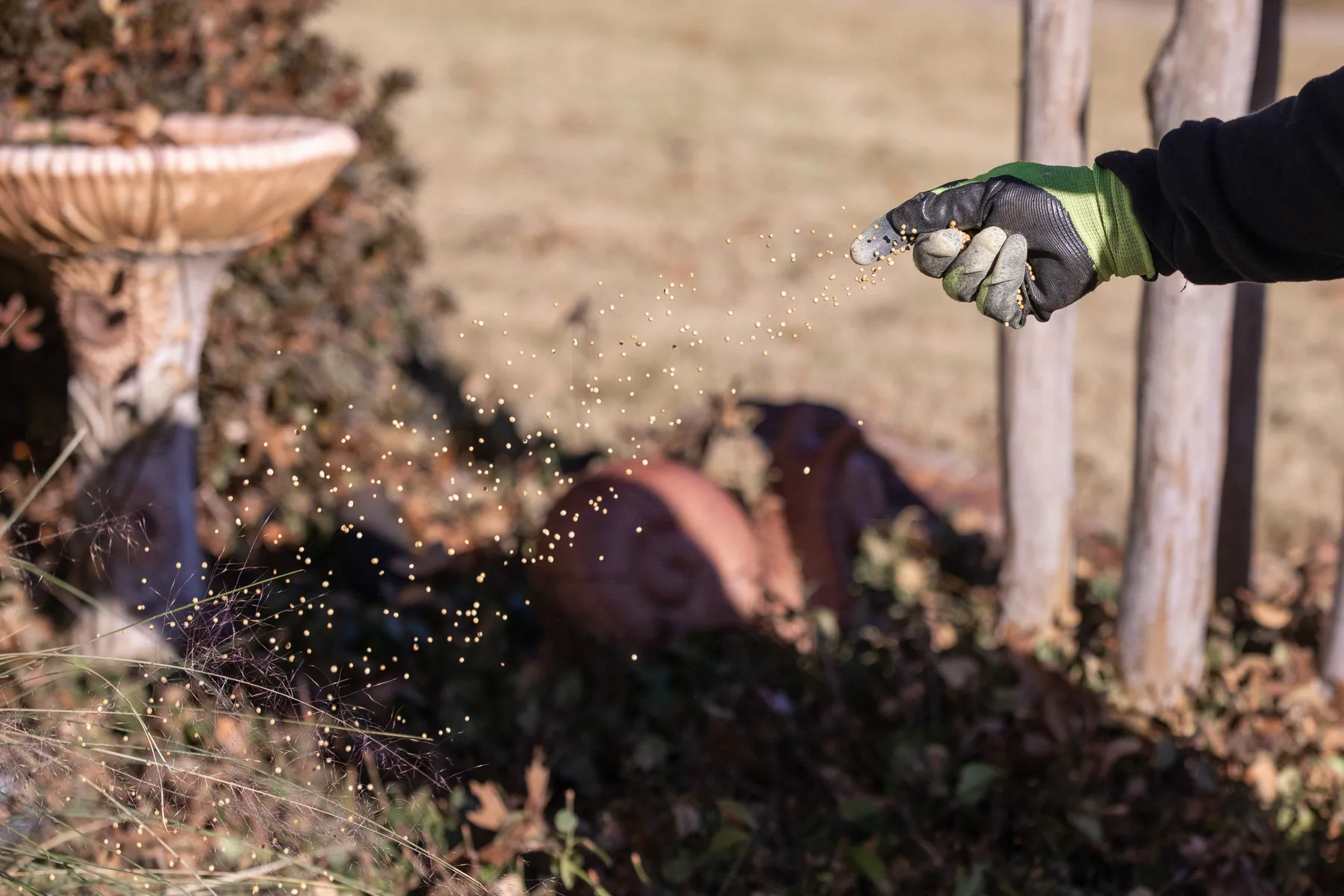
Tree and Shrub Health
Plant Treatment in Spartanburg, SC for Struggling Trees and Shrubs
Plant treatment in Spartanburg, SC that finds why a tree or shrub is struggling and helps it recover, from a nursery team that stocks these plants. Call (864) 590-4663 today.
Nursery open nowNursery closed now
Come walk the rows
Monday to Saturday8:00 AM to 5:00 PM
SundayClosed
Plant Treatment in Spartanburg SC Starts With a Diagnosis
Plant treatment in Spartanburg, SC works best when it starts with the right question: why is this plant struggling? Yellow leaves, spots and thin growth can come from insects, disease, poor soil, too much water or too little. Treating the wrong cause wastes money and time while the plant keeps declining.
Sunburst Nursery & Landscape has stocked and sold trees and shrubs for over 36 years, and our team sees healthy and unhealthy plants every day. That experience helps us read the signs a plant is showing and recommend treatment that fits the real problem, whether that is a spray, a feeding, a change in watering or a simple pruning cut.
Some plants can be brought back with a season of care. Others are too far gone or are planted in the wrong spot, and we will tell you honestly when replacing a plant makes more sense than treating it.
36+years in SC
Signs Your Plants Need Treatment
Plants usually show stress well before they die. Catching problems early gives treatment the best chance of working. Look closely at your trees and shrubs if you notice any of these signs.
- Yellowing, browning or spotted leaves out of season
- Sticky residue, sooty black film or webbing on leaves
- Leaves that are curled, distorted or chewed
- Dieback at branch tips or entire limbs losing leaves
- Thin, weak growth and fewer flowers than usual
- White, powdery coating on leaves or new shoots
A single sign does not always mean trouble. Some leaf drop is normal in fall or after transplanting. Several signs together, or a problem spreading from plant to plant, is a good reason to call.
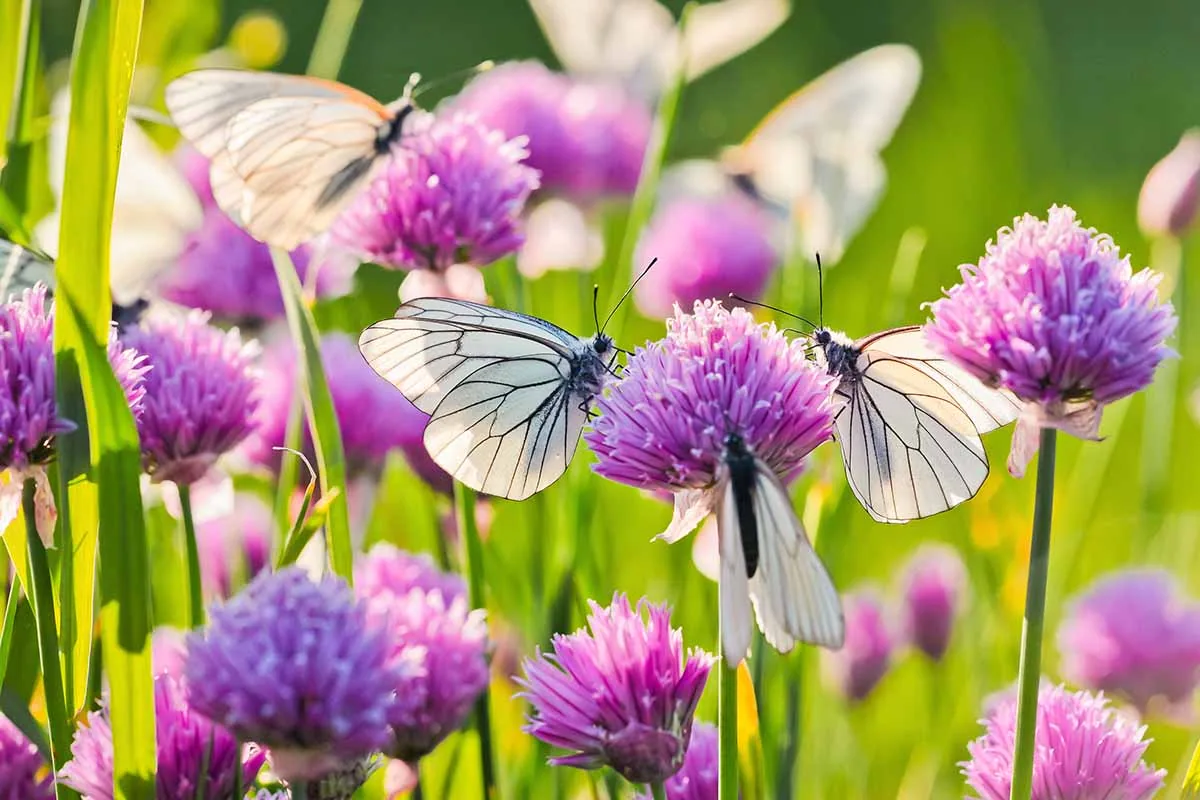
Shrub Disease Treatment and Insect Problems
Shrub disease treatment begins with identifying the disease. Fungal leaf spots, powdery mildew and root rot each call for a different response, and some problems that look like disease are really caused by insects or water. We look at the leaves, stems, roots and the conditions around the plant before recommending anything.
Insects are just as common. Scale, aphids, spider mites and lace bugs feed on many popular landscape shrubs, and the damage often builds slowly until the plant looks tired and thin. Treatment is timed to the pest's life cycle so it works when the insects are most exposed, with the least effect on helpful insects.
Prevention matters as much as treatment. Improving airflow with careful pruning, watering at the base instead of over the leaves and keeping mulch away from stems all reduce the chance of disease returning. We explain these steps along with any treatment, so the fix lasts.
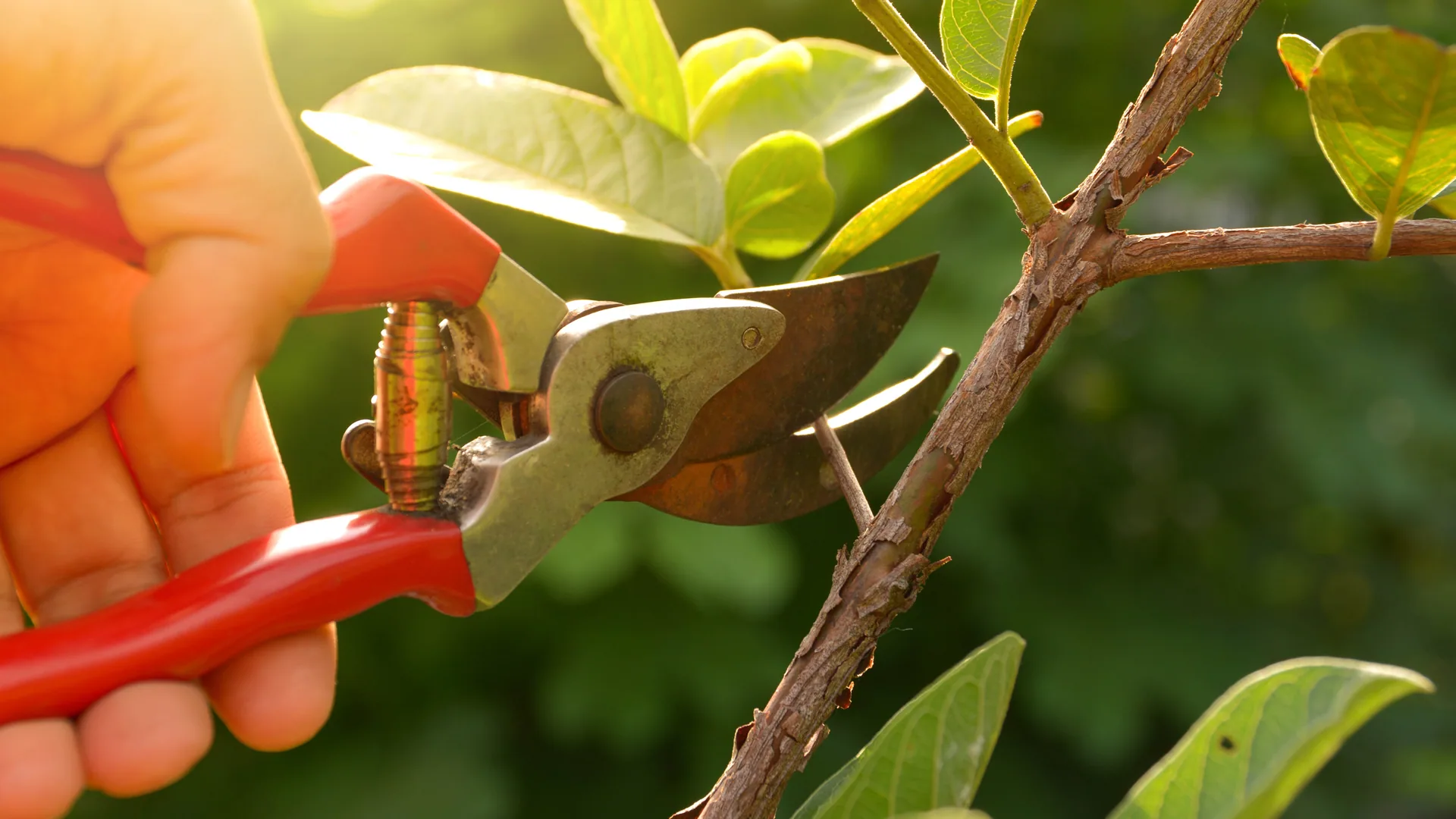
Plant Fertilization and Soil Health
Plant fertilization helps when a plant is short on nutrients, but more fertilizer is not always better. Too much can push soft growth that attracts insects, burn roots or wash into streams. We feed plants based on what they need and the season, rather than on a fixed schedule.
Soil is often the hidden cause of poor plant health. Much of the Upstate sits on Cecil soil, the red clay of the Piedmont, which can pack tight and drain slowly. Roots in compacted clay struggle to take up water and nutrients even when both are present. Adding organic matter, loosening the soil around plants and fixing drainage can do more for a plant than any product.
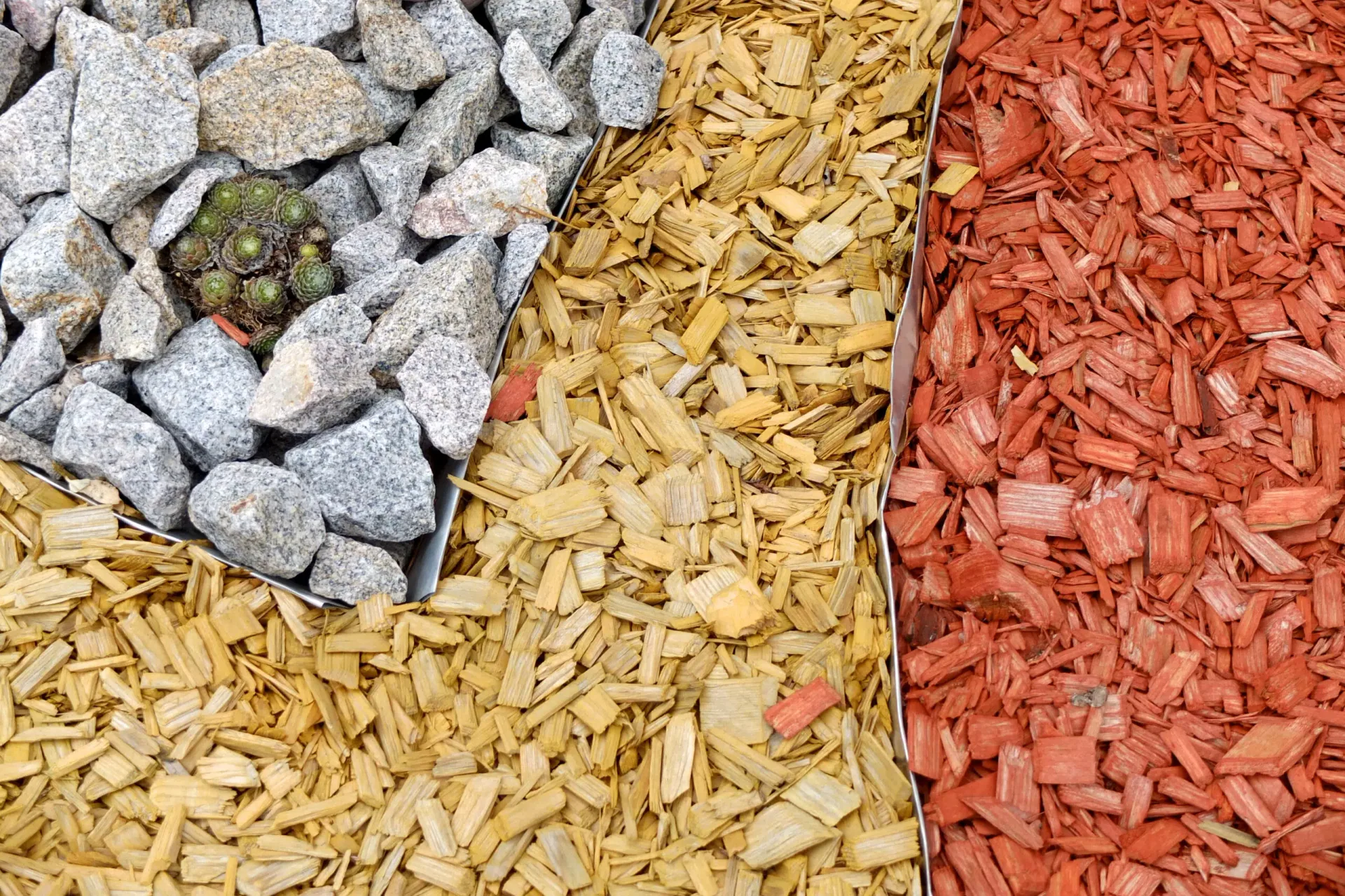
Mulch rounds out good soil care. A proper layer keeps roots cool through summer heat, holds moisture during dry spells and slowly improves the soil as it breaks down. Mulch piled against trunks, often called a mulch volcano, does the opposite and invites rot.
How It Works
How We Approach Tree and Shrub Care
Each plant treatment visit follows a steady pattern, from finding the problem to following up. The steps keep treatment focused and effective.
-
Step 1
Inspect the Plants
Our team examines leaves, stems, bark and soil, and asks how long the problem has been building and how the plants are watered.
-
Step 2
Identify the Cause
We pin down whether insects, disease, soil, water or site conditions are behind the decline before choosing any treatment.
-
Step 3
Treat and Correct
Plants receive the treatment they need, along with changes to pruning, mulch or watering that address the cause.
-
Step 4
Watch the Recovery
We tell you what improvement to look for and when, and we can revisit plants that need more than one round of care.
What Affects the Cost of Plant Treatment
The number and size of the plants is the starting point for any plant treatment in Spartanburg, SC. Treating a few foundation shrubs is a much smaller job than caring for a row of large evergreens or several mature trees. Tall trees may need equipment to reach the canopy.
The problem itself shapes the cost. Some issues are solved with one visit, while others, such as certain insects with several generations a year, need follow-up treatments through the season. Soil corrections, mulch work and pruning added to the treatment plan also change the scope.
Finally, condition matters. A plant caught early usually needs less work than one that has declined for several seasons. When a plant is too far gone, replacing it may cost less in the long run than repeated treatment, and we will point that out. Every quote lists what is planned for each plant, so you can decide where to start.
Why Sunburst
Why a Nursery Is the Right Place for Plant Health Help
Healthy plants are our everyday business. We stock trees and shrubs at our Spartanburg nursery and keep them healthy until they go into customers' yards, so we know the problems Upstate plants face and how they respond to care.
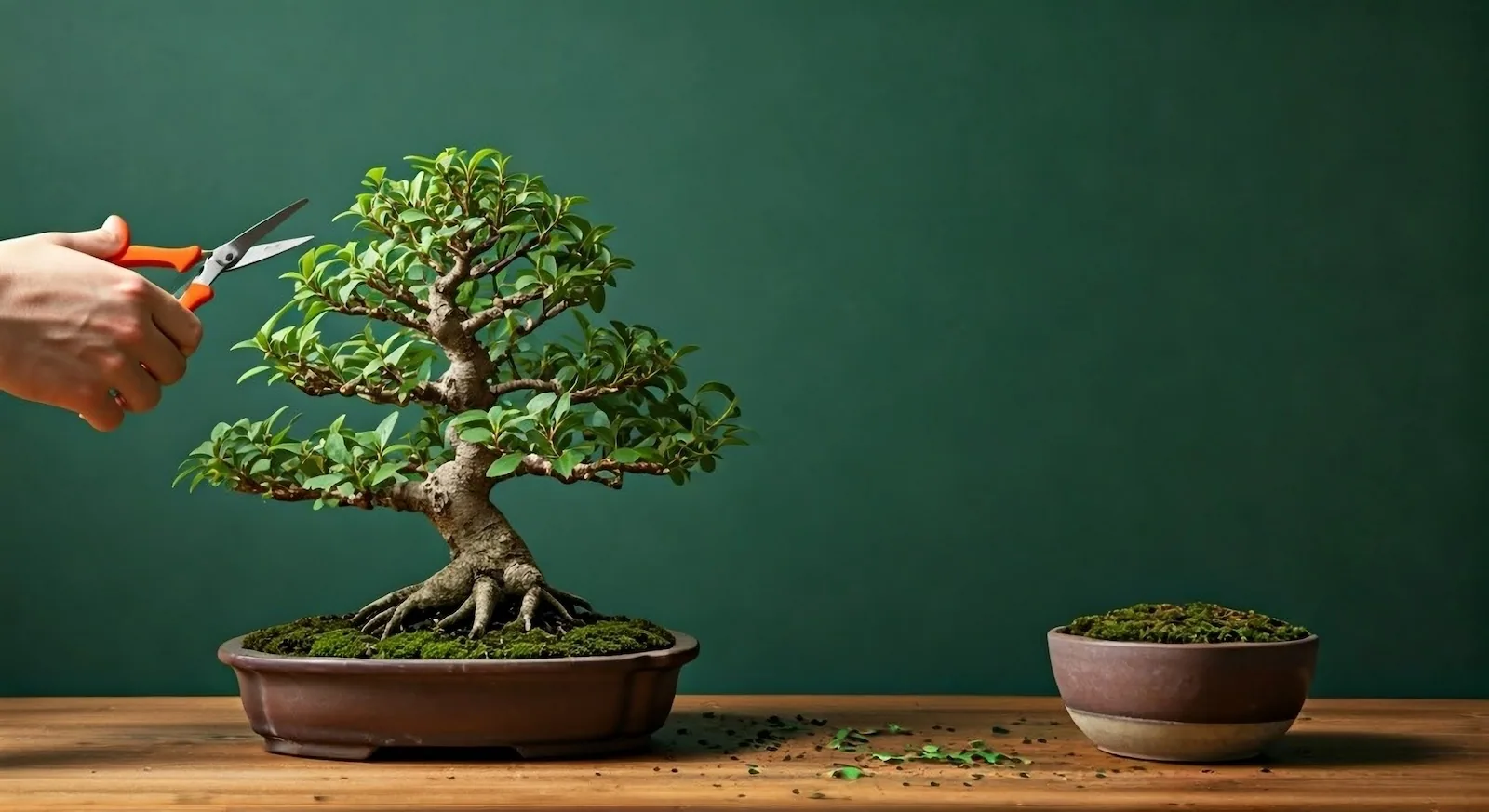
Plant treatment is part of our residential landscaping in Spartanburg SC services. Many plant problems are tied to crowding or poor airflow, which tree and shrub pruning can fix. When a plant is beyond saving, our shrub planting crews can replace it with something better suited to the spot.
Our master gardener brings a plant-first view to every visit. The goal is a landscape that stays healthy with as little intervention as possible.
Plant Care Across the Upstate
Our nursery is in Spartanburg, and we help homeowners with sick and struggling plants throughout Upstate South Carolina. Clay soil, summer heat and humid stretches affect plants across the region in similar ways, though every yard has its own mix of sun, shade and drainage.
We see plant problems in established Spartanburg neighborhoods, where older shrubs often decline under heavy shade or crowding. In Inman and Landrum, larger and more wooded lots bring their own pest and disease pressures. We also work with homeowners in Newberry County.
In Greer, young shrubs struggling in new construction soil are a common concern. Call the nursery and describe what you are seeing, and we can tell you whether a visit for plant treatment in Spartanburg, SC or your town makes sense.
Questions
Plant Treatment Questions From Homeowners
Yellow leaves can mean several things. Overwatering and poorly drained clay are common causes, since roots in soggy soil cannot take up nutrients. Nutrient shortages, insects feeding on the undersides of leaves and normal seasonal leaf drop on evergreens can also turn leaves yellow. A close look at the plant, the soil and your watering usually points to the cause.
It depends on the cause and how far the decline has gone. A plant with healthy roots and some green growth often recovers once the problem is corrected. A plant with dead roots, a girdled trunk or most of its branches gone is unlikely to come back. We will give you an honest assessment and suggest replacement when treatment is not worth the cost.
Many established trees and shrubs need little or no regular fertilizer, especially when mulched and planted in decent soil. Newly planted shrubs, plants showing nutrient shortages and heavy-flowering plants may benefit from feeding. Fertilizing without a reason can do more harm than good, so we recommend feeding only when the plant or the soil shows a need.
A white, dusty coating on leaves is often powdery mildew, a fungal disease that thrives in humid weather and crowded plantings. It weakens plants and spoils their look but rarely kills an established shrub. Better airflow, morning watering at the base and choosing resistant plant varieties help, and treatment can keep it under control during bad years.
Not usually. Many insect and disease problems are most active in summer, which is when treatment is needed. Heat does affect which products can be used safely and when, so timing within the day and week matters. Summer is also when watering problems show most clearly, which helps identify the real cause of decline.
Bring Your Plants Back to Health
Struggling plants rarely improve on their own, and early care costs less than replacing a mature shrub or tree. Call Sunburst Nursery & Landscape Monday to Saturday, 8:00 AM to 5:00 PM, or request a quote to have your plants checked.

Nursery and office hours
- Mon to Sat
- 8:00 AM to 5:00 PM
- Sunday
- Closed
- Visit
- 109 Knollwood Drive, Spartanburg, SC 29301