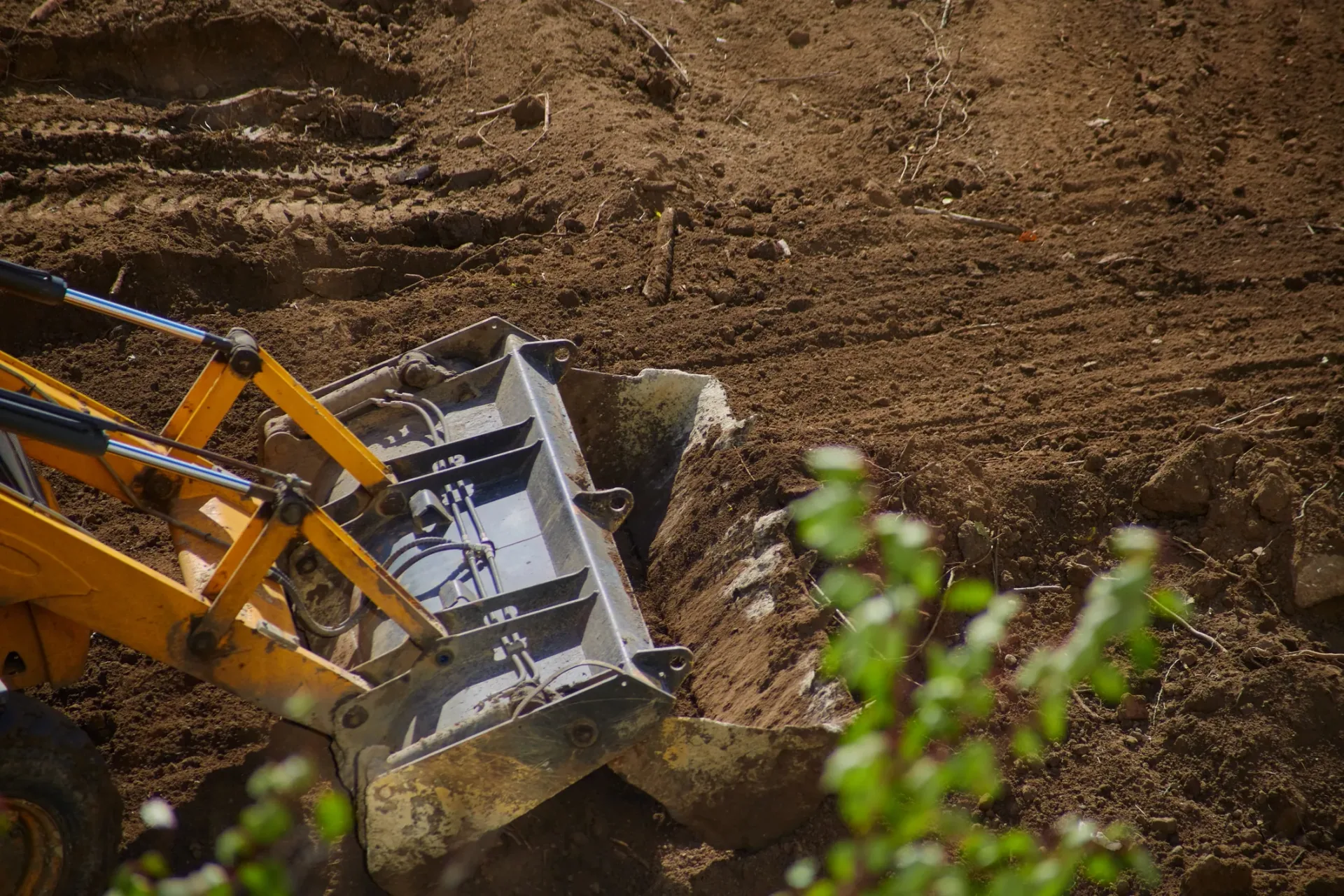
Grading and Drainage
Land Grading in Spartanburg, SC for Yards That Drain Right
Land grading in Spartanburg, SC that sends rainwater away from your house and gives new lawns and planting beds a sound base. Call (864) 590-4663 for a free quote.
Nursery open nowNursery closed now
Come walk the rows
Monday to Saturday8:00 AM to 5:00 PM
SundayClosed
Why Land Grading in Spartanburg SC Comes Before Planting
Land grading in Spartanburg, SC is the work of shaping the ground so water runs where you want it to go. It is the first step in many of our landscape projects, because sod, shrubs and pavers all depend on the soil beneath them. A yard that slopes toward the house, holds puddles for days or washes out after every storm will undo even the best planting plan.
Sunburst Nursery & Landscape has worked in Upstate yards for over 36 years. We grade for homeowners who are building a new lawn, fixing a soggy backyard or getting ready for a patio, and we do it as part of the full landscape rather than as a separate job handed off to another crew.
Much of the Upstate sits on Cecil soil, the red clay of the Piedmont. Clay sheds water fast on a slope and holds it on flat ground, so the exact pitch of a yard matters more here than it does in sandy soil.
36+years in SC
Signs Your Property Needs Yard Grading
Most grading problems show up after a heavy rain. Walk the yard during or right after a storm and look at where the water actually goes. A regrade is worth a look when you notice any of the following.
- Water pooling against the foundation or seeping into a crawl space
- Puddles in the lawn that stay for a day or more
- Soil, mulch or pine straw washing across walks and driveways
- Bare, rutted channels where runoff cuts through the grass
- A lawn so uneven that mowing scalps the high spots
- Low areas where new plants keep failing from wet roots
A single soggy corner can often be fixed with a small regrade and a swale. Water moving toward the house is more urgent, since it can lead to damp crawl spaces and settling over time.
Drainage Grading That Protects Your Home and Beds
Drainage grading sets a gentle, steady fall away from the house and toward a safe outlet, such as a swale, the street or a lower part of the lot. The goal is to move water slowly enough that it does not carry soil with it, but steadily enough that it never sits against the foundation.
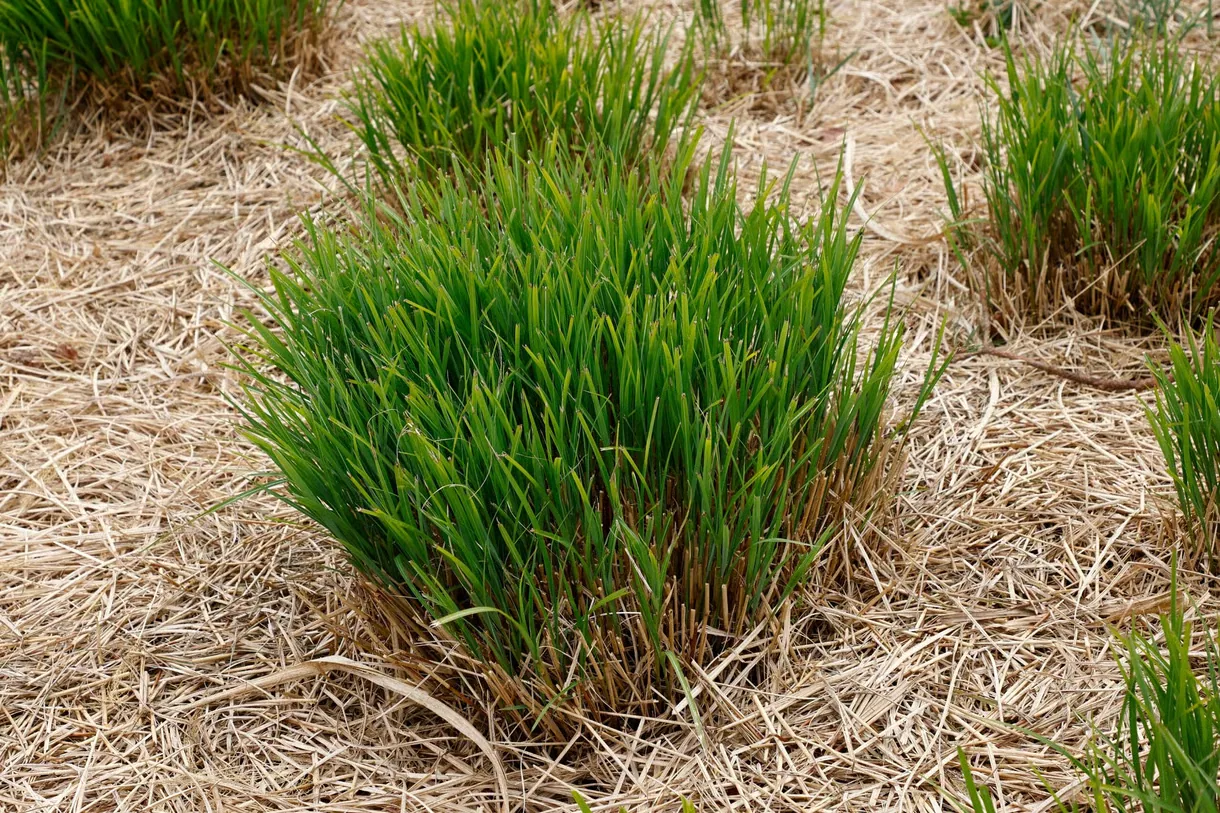
On many lots the fix is a shallow swale, a wide and gentle channel that carries runoff around the house and across the yard. Swales can be covered with sod so they look like part of the lawn. Where a slope is steep, we may suggest planting beds with deep-rooted shrubs and ground covers to hold the soil in place.
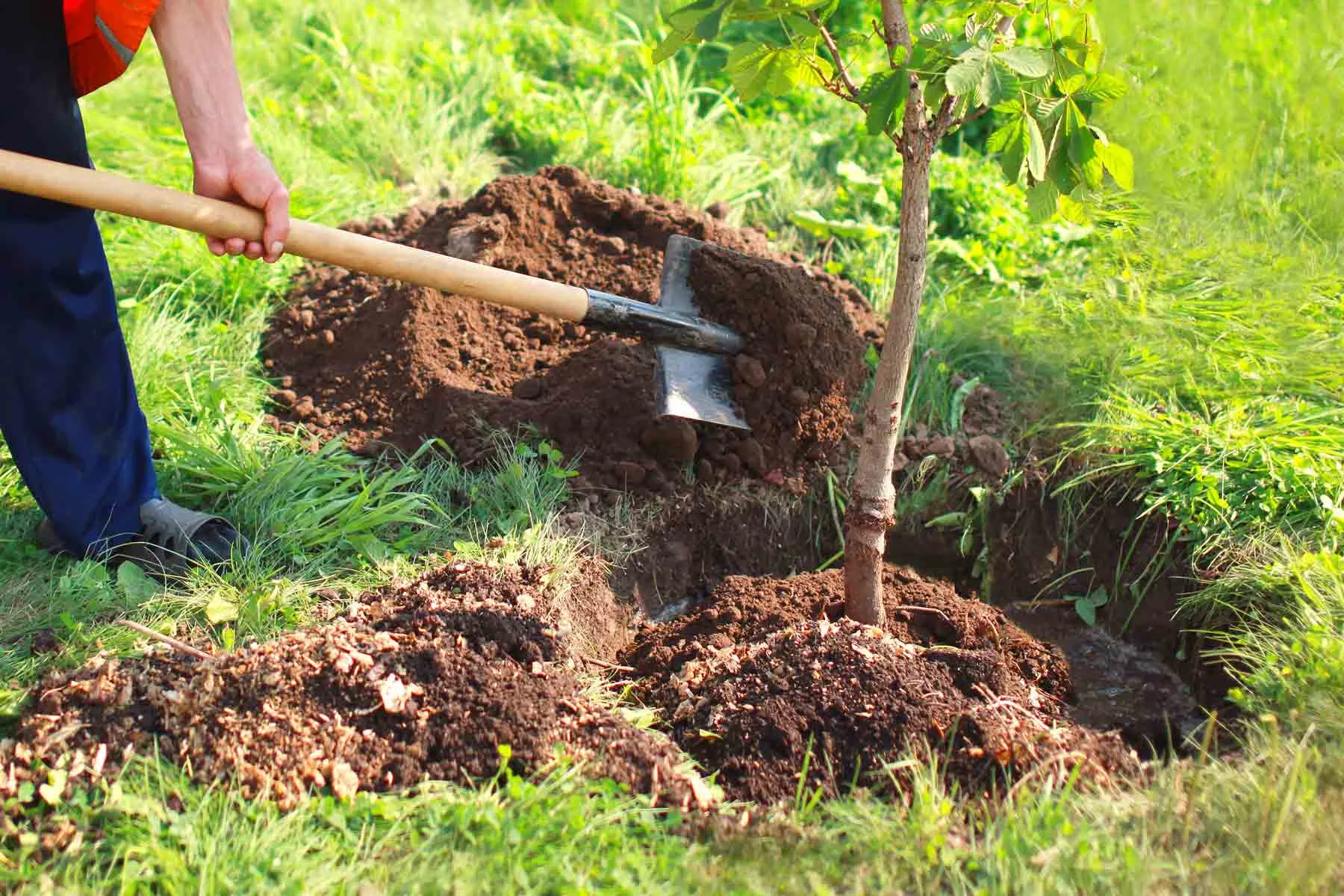
Grading also has to work with what is already there. We look at downspouts, neighboring yards, driveways and existing trees before setting any new grade, because pushing water off your lot and onto the house next door is not a solution. Soil is never piled against tree trunks, since buried roots and bark can suffer.
Leveling a Yard and Grading for New Lawn
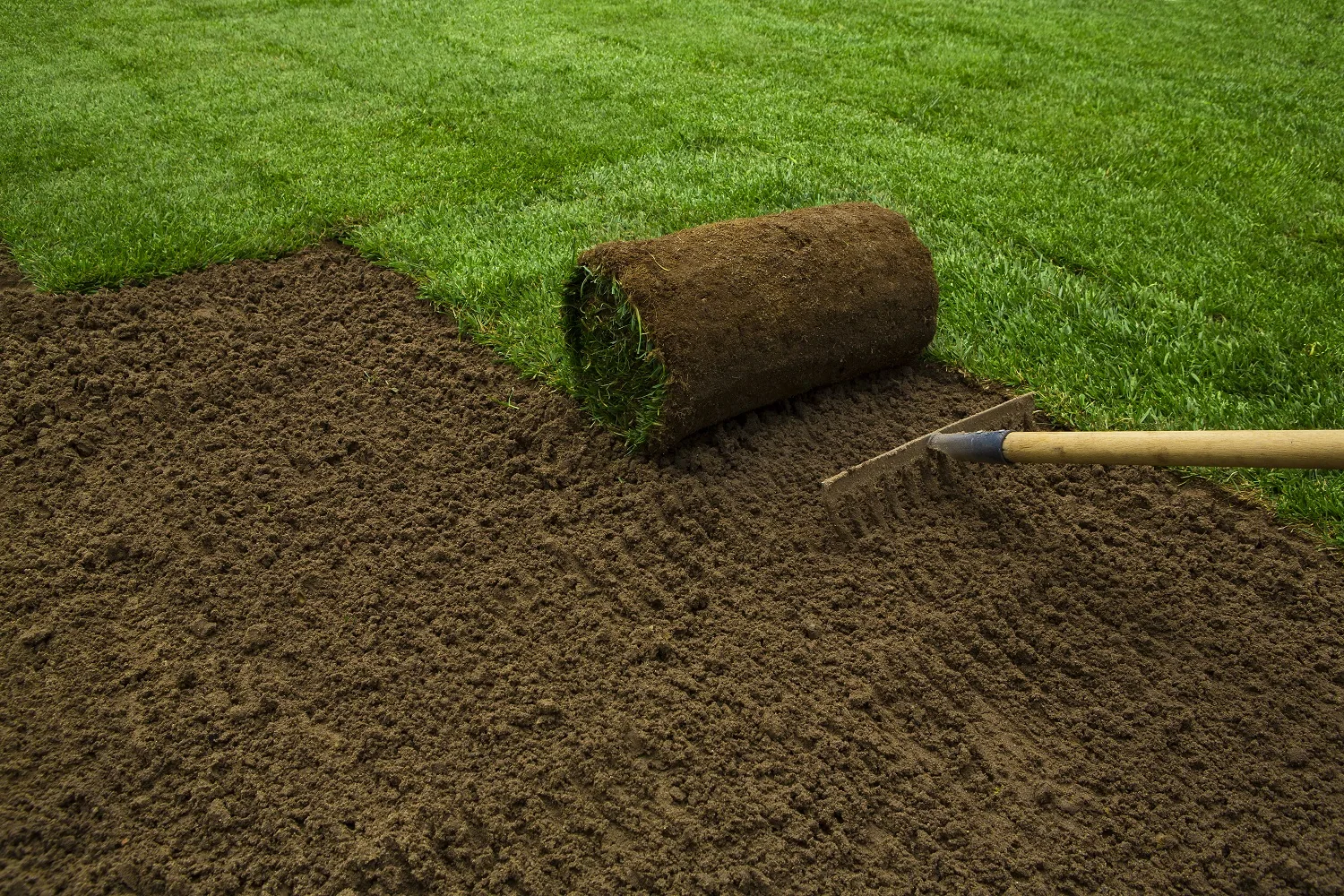
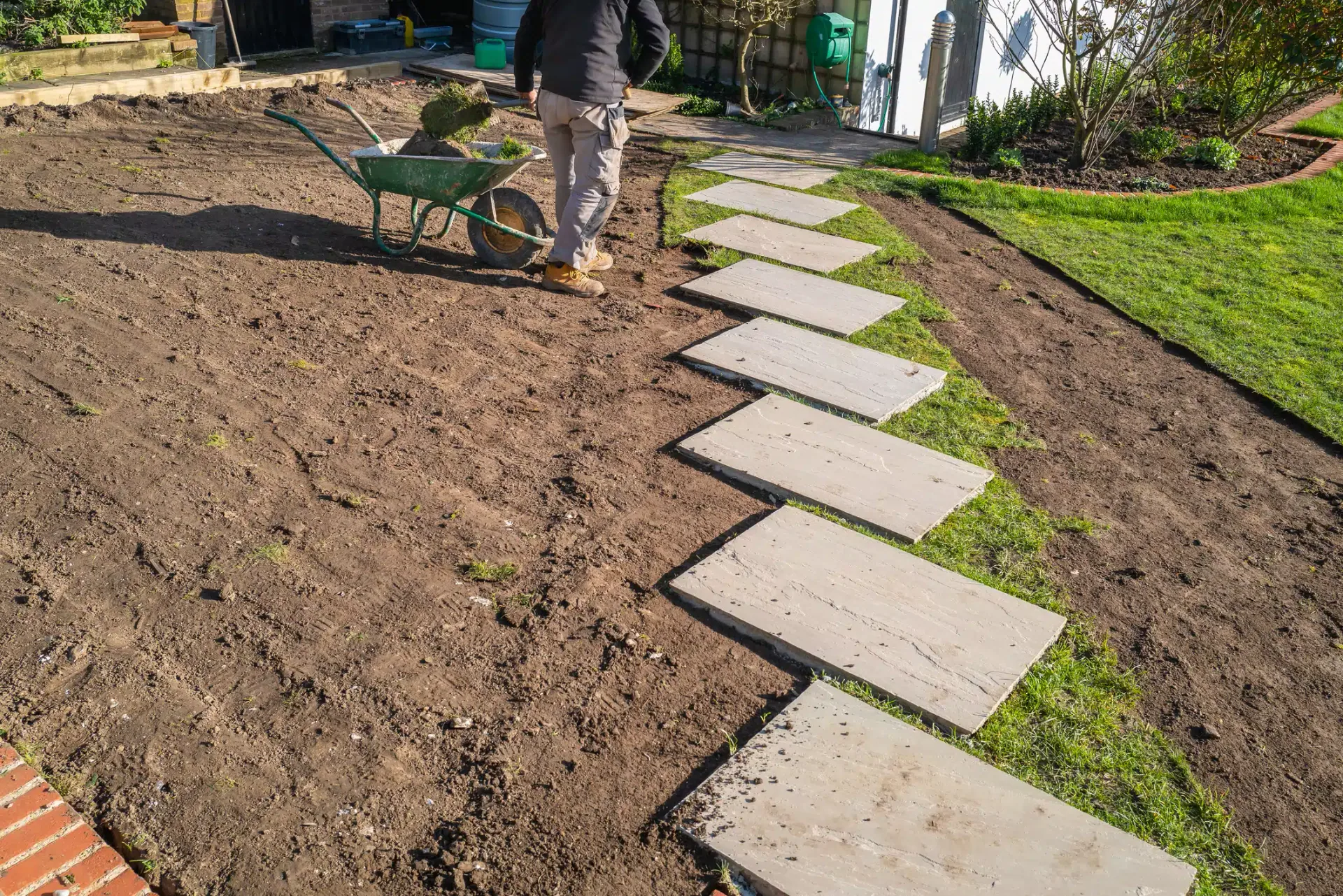
Leveling a yard is about the surface you see and walk on. Over time, settled trenches, old tree holes and uneven fill leave a lawn lumpy and hard to mow. Before new sod goes down, we remove high spots, fill lows and rake the surface into a smooth, even plane with a slight pitch for drainage.
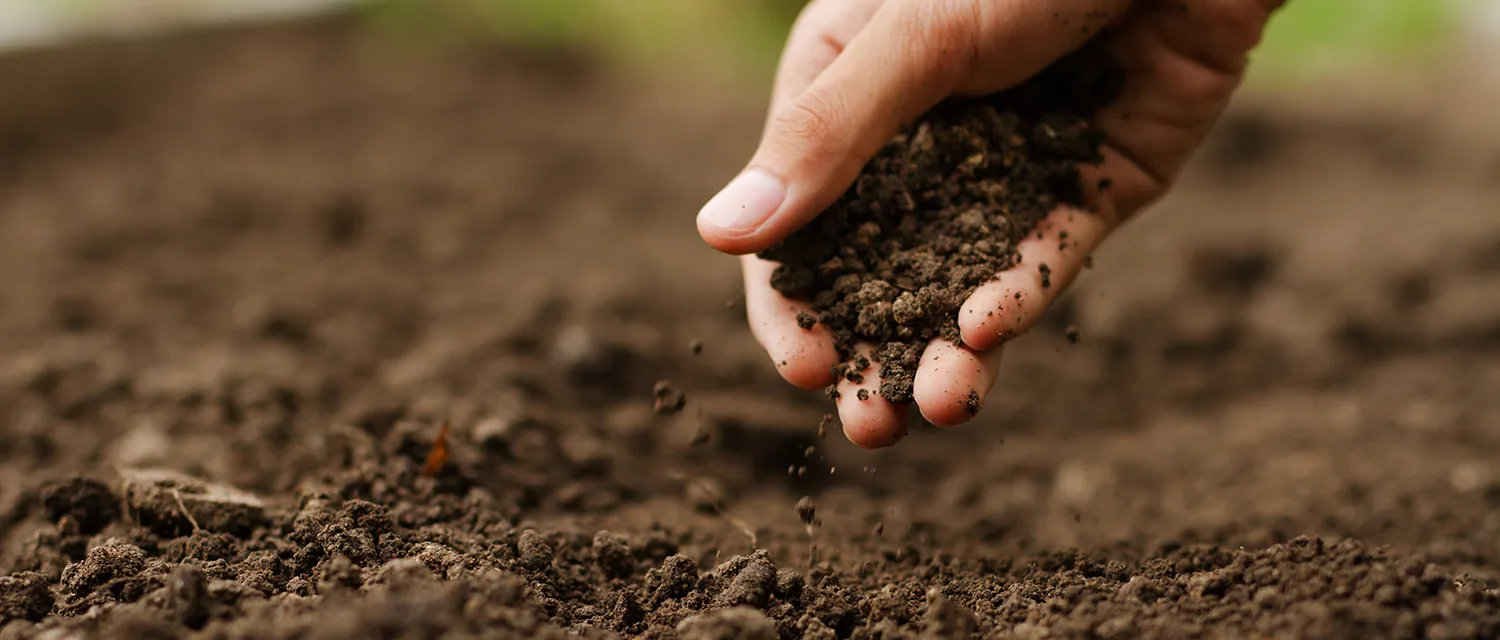
Grading for new lawn is careful work because sod follows every bump beneath it. We loosen compacted clay, work in quality topsoil where the ground is thin and roll the surface before laying sod. A good base lets roots grow down quickly instead of sitting on hard subsoil, which helps the grass handle a hot Upstate summer.
The same care applies to patios and planting beds. Pavers need a firm, compacted base set to the right slope, and beds need loose, well-drained soil at the proper height. When grading, sod and planting are handled by one team, each step is done with the next one in mind.
How It Works
How Our Grading Projects Run
A grading job follows a clear order from the first visit to the final layer of sod or mulch. Each step builds on the one before it.
-
Step 1
Walk the Property
Our estimator visits, looks at slope, low spots and downspouts, and asks where water causes trouble. Photos taken during a storm help a great deal.
-
Step 2
Plan the New Grade
We decide where water should go, mark high and low points and plan swales or beds. You get a clear quote before any soil moves.
-
Step 3
Shape and Compact
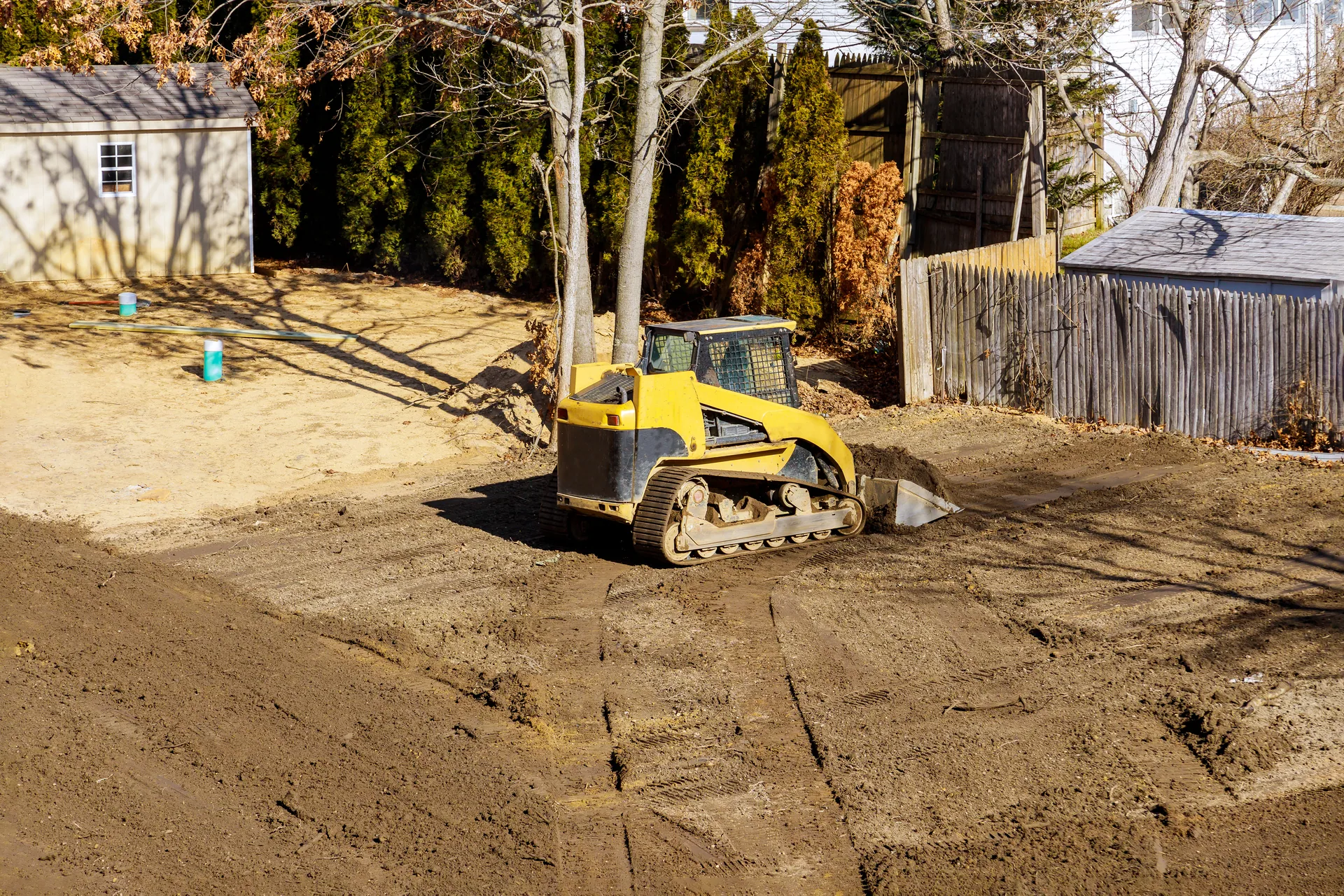
Crews strip what is not staying, move soil to the planned grade and compact fill so it will not settle later.
-
Step 4
Finish the Surface
Topsoil, sod, seed, mulch or planting beds go in right away, so bare soil is not left open to wash out.
What Affects the Cost of Land Grading
Every quote for land grading in Spartanburg, SC is built on the lot itself. The biggest factor is the amount of soil that has to move, followed by whether new topsoil or fill has to be brought in. A light regrade of a front yard is a very different job from reshaping a sloped backyard that sends water toward the house.
Access matters too. Open yards with wide gates allow larger equipment, while tight spaces between houses, fences or mature trees call for smaller machines and more hand work. Existing features such as old shrubs, stumps or concrete may need to come out first.
Finally, the finish affects the total. Grading followed by sod costs more than grading followed by seed or mulch, and adding a swale, planting beds or drainage outlets adds to the scope. We walk you through each part of the quote, so you can see where the cost comes from and choose what to do now and what can wait.
Why Sunburst
Why Choose Sunburst for Grading Work
Grading done by a landscape company is planned around the plants and lawn that come after it. Our team thinks about where the sod will go, where the beds will sit and how much water the new plants can take, so the ground is shaped for the finished yard rather than for the machine.
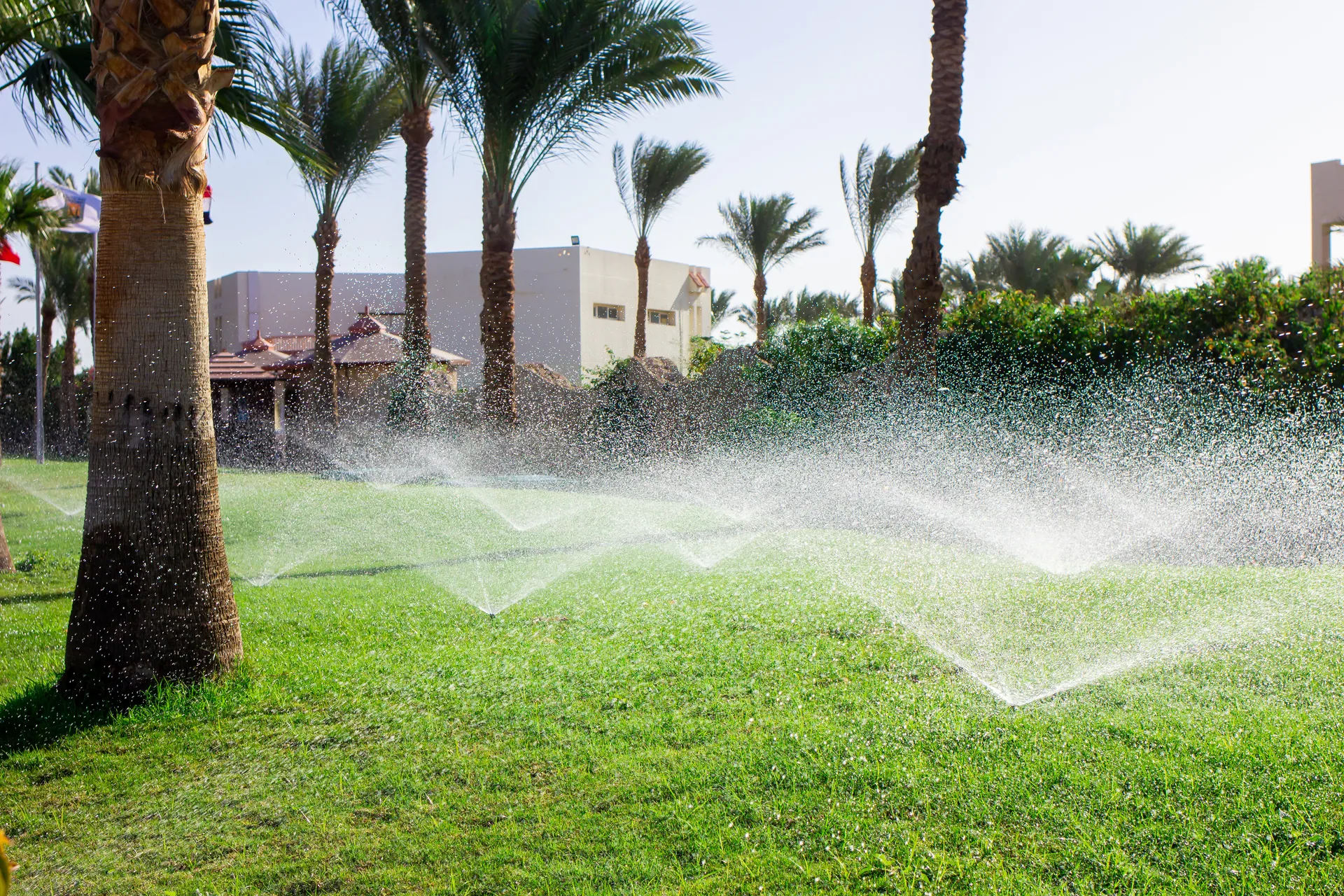
Grading is one of several services we handle under our residential landscaping in Spartanburg SC work. Most grading jobs flow straight into sod installation, and a good grade makes irrigation installation far more even, since water spreads across a smooth surface instead of running off. Handling all of it in-house keeps the schedule tight and puts one company in charge of the result.
With over 36 years in nursery and landscape work, we know how Upstate clay behaves through wet springs and dry summers. That experience shapes every grade we set.
Grading Help Across Spartanburg County and the Upstate
Our nursery is on Knollwood Drive in Spartanburg, and our crews grade yards throughout Upstate South Carolina. Land grading in Spartanburg, SC makes up much of that work, though new construction lots, older homes with settled yards and properties on rolling ground across the region all show up on our schedule.
In Greer and Lyman, newer lots that were leveled quickly during building can leave a lawn that needs regrading. Out toward the foothills in Landrum, sloped yards bring their own runoff challenges, and larger lots in Inman often need grading before new sod or tree planting.
If you are not sure whether your town is in range, call the nursery and describe the job. We will tell you plainly whether it fits our schedule.
Questions
Land Grading Questions
Watch the yard during a steady rain. If water runs toward the house, collects near the foundation or sits in the same low spots for a day or more, the grade needs attention. You can also check the soil right next to the house: it should sit a little higher than the ground a few feet out, so water moves away.
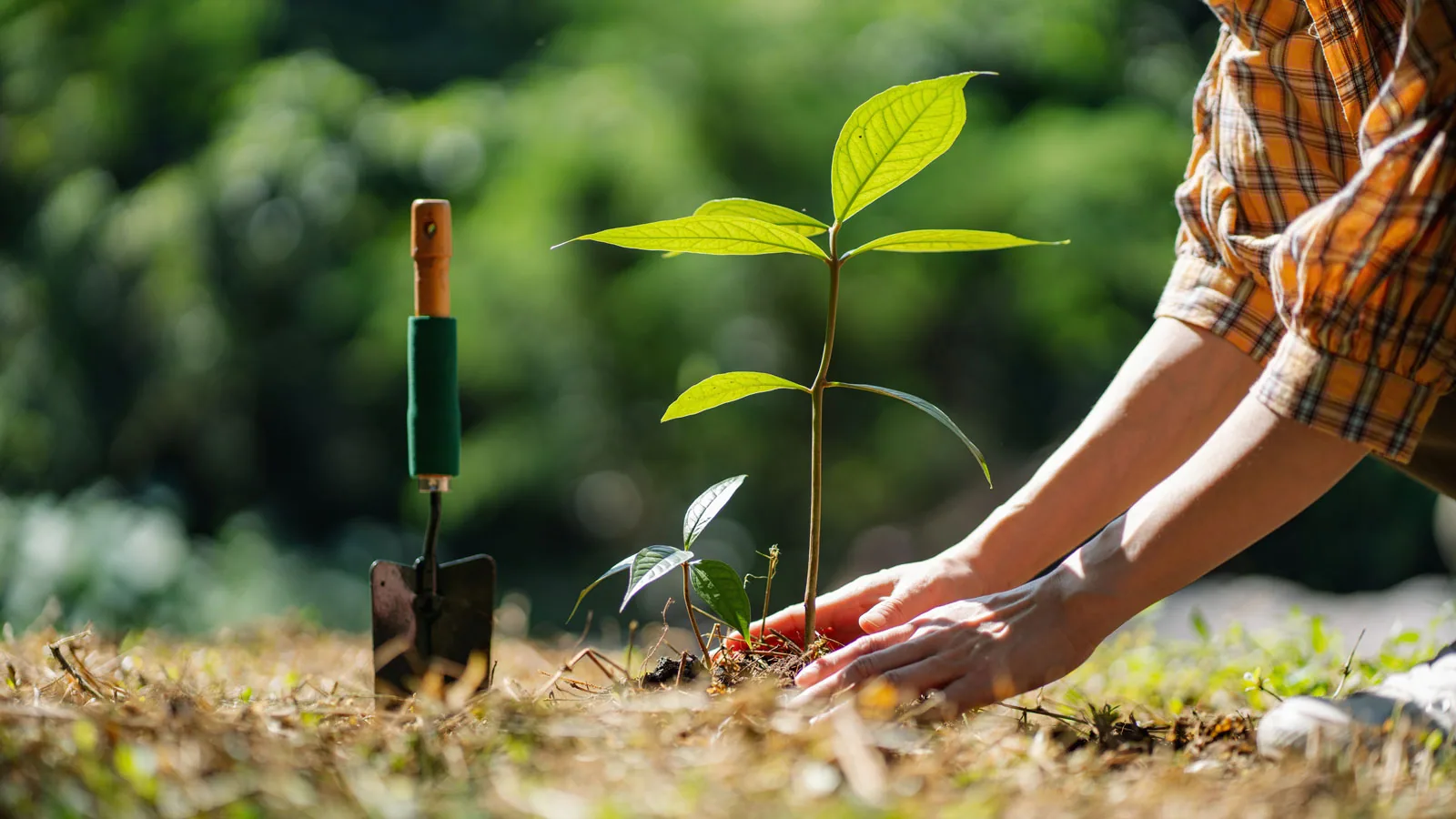
Often, yes. We plan the new grade around trees and shrubs worth keeping and avoid piling soil against trunks or over shallow roots. Plants that sit in the path of a needed swale may have to be moved or replaced. During the estimate we point out which plants can stay and which ones would be better moved to a new spot.
Grading always comes first. Sod follows every rise and dip beneath it, so the ground has to be shaped, loosened and smoothed before the first roll goes down. When we install sod, we grade and prepare the soil as part of the same job, which gives the new lawn an even surface and a strong start for its roots.
Grading helps when the water comes from surface runoff flowing toward the house. Setting the soil to fall away from the foundation and moving downspout water farther out solves many damp crawl spaces. Water rising from below or leaking through the structure is a different problem, and we will tell you if what we see points to something grading cannot fix.
Grading works best when the clay is moist but not soaked. Very wet soil smears and compacts, while bone-dry clay is hard to work. Spring and fall are common choices because the finished surface can be covered with sod or plants right away, though we schedule grading through much of the year depending on the weather.
Fix Your Yard's Drainage for Good
Standing water and washed-out beds rarely fix themselves. A well-planned grade protects your home and gives your lawn and plants a fair chance. Call us Monday to Saturday, 8:00 AM to 5:00 PM, or request a quote and we will set up a visit.

Nursery and office hours
- Mon to Sat
- 8:00 AM to 5:00 PM
- Sunday
- Closed
- Visit
- 109 Knollwood Drive, Spartanburg, SC 29301